

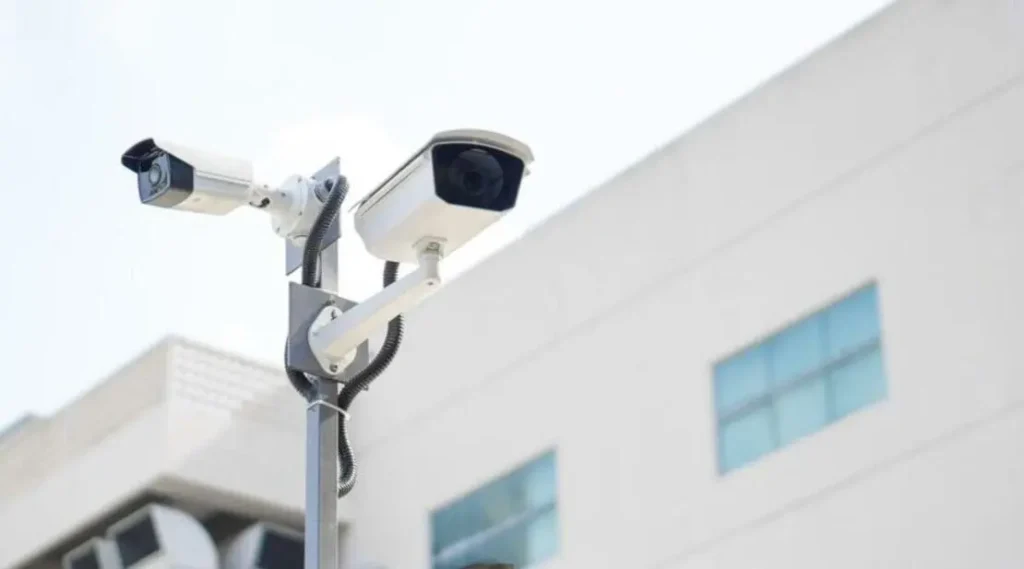
Commercial CCTV installation in the UK typically costs £300 to £750 per camera for a standard professionally fitted system, covering hardware, cabling, and labour. A small business setup with four to eight cameras usually falls between £1,000 and £2,500 installed, while larger or multi-site systems start near £2,500 and can pass £6,000, according to 2026 pricing published by Slam Systems and DC Fire & Security. Specialist equipment such as ANPR, thermal imaging, or AI analytics can push individual cameras beyond £750 each.
The figures and guidance below draw on years of hands-on survey and installation work across warehouses, retail units, offices, and construction sites throughout the UK. This article explains what moves a quote up or down, how the main system types compare, and what to check before committing to an installer.
What Drives the Price of a Commercial System
Camera count is the single largest cost factor, but it rarely acts alone. Long cable runs across a warehouse, drilling through solid brick or concrete, working at height, and integrating with existing alarm or access control systems all add labour hours. The recorder matters too: commercial premises often need 28 days or more of rolling footage, which means larger NVR storage than a domestic unit ships with.
Location plays a part as well. Labour rates in London and the South East routinely run 15 to 25 percent above the national average, and premises in conservation areas or listed buildings may need consent before external cameras go up.
Bonus Tip: Ask every installer for an itemised quote that separates hardware, cabling, labour, and commissioning. Lump-sum quotes make it impossible to compare bids fairly or spot inflated equipment margins.
Typical installed costs by premises type look like this:
| Premises Type | Typical Camera Count | Typical Installed Cost |
| Small office or shop | 4–6 | £1,000 – £2,500 |
| Retail unit with POS coverage | 8–16 | £2,000 – £4,000 |
| Warehouse or yard | 8–16 | £3,000 – £6,000 |
| Large or multi-building site | 16+ | £6,000+ |
Comparing the Main System Types
The technology you choose shapes both the upfront quote and what the system can do for the next decade. Wireless kits cut cabling labour by roughly 20 to 30 percent, based on installer data reported by SatFocus Security (2026), but they depend on strong site-wide Wi-Fi and cost more per unit.
| System Type | Cost Per Camera Installed | Image Quality | Best Suited To |
| HD analogue (DVR) | £150 – £350 | Good (2–5MP) | Simple sites, tight budgets |
| IP / PoE (NVR) | £300 – £750 | Excellent (4K available) | Most commercial premises |
| Wireless IP | £250 – £600 | Very good | Sites where cabling is impractical |
| Specialist (ANPR, thermal) | £750 – £3,000+ | Purpose-built | Car parks, perimeters, high-risk sites |
Technical Specifications Worth Checking
Quotes often hide meaningful differences in specification. The table below sets out the benchmarks a commercial system should meet in the UK.
| Specification | Commercial Benchmark | Why It Matters |
| Resolution | 4MP minimum, 4K for entrances | Identification-grade evidence |
| Footage retention | 28–31 days rolling | Insurance and police requests |
| Weatherproof rating | IP66 or IP67 housings | UK rain, frost, and condensation |
| Night vision | IR or ColorVu to 30m+ | Most incidents occur after hours |
| Standards compliance | BS EN 62676 series | Insurer and ARC acceptance |
| Data protection | UK GDPR signage and DPIA | Legal operation of the system |
Bonus Tip: Commission the system in the dark, not just in daylight. Infrared reflection off nearby walls, signage, or spider webs ruins night footage, and the only way to catch it is a genuine after-dark walk-through before signing off.
Ongoing Costs After the Cameras Go Up
Installation is not the final bill. Professional 24/7 monitoring through an Alarm Receiving Centre typically costs £200 to £500 per month for commercial sites, per DC Fire & Security’s 2026 market guide, while annual maintenance contracts generally run £150 to £300. Cloud storage subscriptions, firmware updates, and occasional camera realignment after storms round out the true cost of ownership.
Security Support Built Around Your Cameras
Keep Safe & Secure Ltd provides services that extend a CCTV system into a complete protection plan:
- CCTV Installation & Surveillance – Design, supply, and professional fitting of commercial-grade camera systems with remote viewing configured before handover.
- Key Holding & Alarm Response – Trained responders attend triggered alarms and camera alerts so staff never face an incident alone.
- Mobile Security Patrols – Scheduled and random vehicle patrols that back up camera coverage with a physical presence.
- Security Guards – SIA-licensed officers for premises where live footage needs eyes and action on site.
Things to Weigh Up Before Booking an Installer
- Walk the site and map genuine risk points; entrances, delivery yards, and cash-handling areas earn cameras before corridors do.
- Confirm the installer surveys in person rather than quoting from a floor plan; hidden cable routes are where budgets slip.
- Check accreditations such as NSI or SSAIB, which many insurers require before offering premium discounts.
- Decide who will act as your data controller and where signage will go before installation day, not after.
- Plan for growth; an NVR with spare channels costs little extra now and avoids replacing the recorder later.
Questions Buyers Ask Before Choosing a System
How many cameras does a typical commercial site need
Most small premises are covered well by six to eight cameras: every entrance, the till or reception, stock areas, and the rear yard. Coverage of blind corners beats raw camera count.
Should the system be wired or wireless
Wired PoE remains the commercial standard for reliability and uninterrupted recording. Wireless earns its place on temporary sites, listed buildings, or detached outbuildings where trenching cable is unrealistic.
How long does installation take
A six-to-eight camera single-building system usually takes one to two days including commissioning. Multi-floor or multi-building projects run two to five days.
Owning and Running the System Long Term
How often should a commercial CCTV system be serviced
Book a professional inspection at least once a year. Engineers clean lenses, test night vision, verify recording integrity, and update firmware, and many insurers make annual servicing a policy condition.
What are the legal obligations once cameras are recording
Register with the ICO, display clear signage, document a lawful purpose, store footage securely, and delete it once the retention period ends. Staff and visitors can submit subject access requests for footage of themselves.
Can an older analogue system be upgraded without full replacement
Often yes. Hybrid recorders accept both coaxial and IP inputs, so existing cabling keeps working while new IP cameras are added where sharper images matter most.
Does CCTV reduce commercial insurance premiums
Many insurers offer reductions when a system meets recognised standards and is professionally maintained. Provide certificates of installation and service records when renewing the policy.
What happens to footage if the recorder fails
Footage on a failed hard drive is frequently recoverable, but prevention beats recovery: choose recorders with RAID or mirrored storage and enable health alerts that flag drive faults early.
Key Takeaways
Expect £300 to £750 per camera installed for standard commercial work, with whole-site budgets shaped mainly by camera count, cabling complexity, and regional labour rates. Compare itemised quotes, insist on IP66-rated hardware with at least 28 days of storage, and factor monitoring and maintenance into the lifetime budget. Match the system to the risks your specific premises face rather than a generic package.
Arrange a Site Survey
A short site visit produces a far more accurate figure than any online estimate. To book a no-obligation survey and receive an itemised quotation for your premises, contact Keep Safe & Secure Ltd by email at info@keepsafesecure.com or by phone on +44 330 118 8340, and an assessor will walk the site with you and map coverage against your actual risk points.