

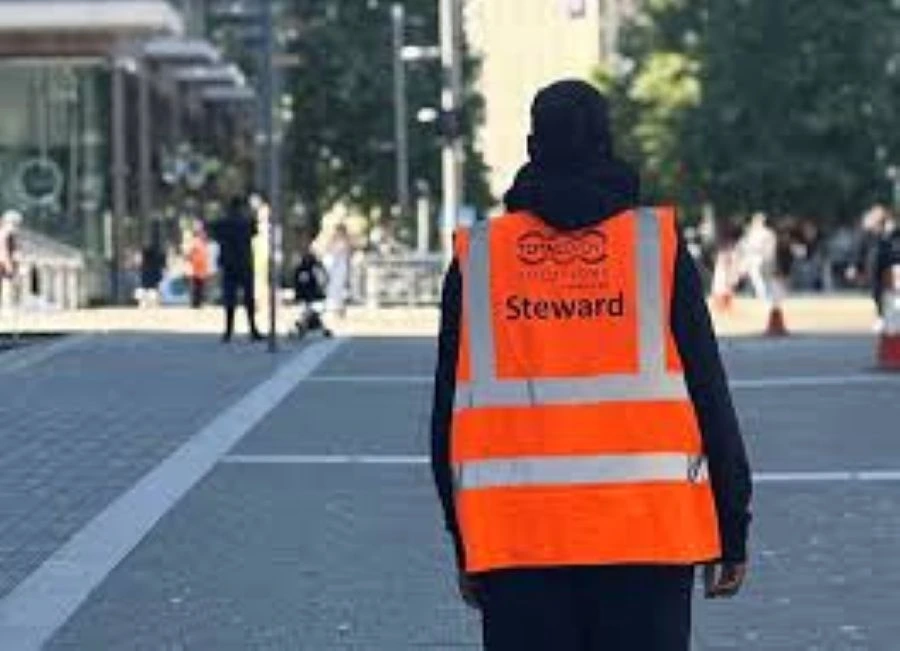
Most events need somewhere between one steward per 100 attendees and one per 250, and the right figure depends on venue type, layout, and how the crowd is expected to behave. Indoor, seated events with controlled access sit toward the lower end of stewarding density; outdoor events with standing crowds, alcohol on sale, and multiple access points need considerably more coverage. The exact number is set through a risk assessment rather than a single fixed rule, and it typically gets confirmed with the venue, the local authority, and any Safety Advisory Group involved in licensing the event.
This guide breaks down the factors that shape steward numbers, shows how ratios shift across event types, and outlines what to weigh before finalising a staffing plan. Keep Safe & Secure Ltd has stewarded festivals, sporting fixtures, and corporate functions across a wide range of venues, and that direct exposure to real crowd behaviour, not just published ratios, shapes the guidance below.
The Core Factors That Determine Steward Numbers
Steward numbers are never picked at random. A handful of variables combine to set the final figure, and overlooking any one of them tends to produce a plan that looks adequate on paper but struggles under real crowd pressure.
Venue Capacity and Layout
Total capacity sets the baseline, but layout matters just as much. A venue with a single entrance and exit needs fewer stewards than one with multiple gates, tiered seating, or separated zones, because each access point and pinch point needs its own coverage. Sightlines count too: stewards positioned where they cannot see the crowd they are meant to be watching add little value regardless of headcount.
Type of Event and Audience Behaviour
A seated conference and a standing outdoor concert with alcohol on sale carry very different crowd risks, even at identical attendance figures. Higher movement, higher energy, and alcohol service all push the required ratio up, sometimes substantially. Sold-out shows, headline acts, and events with a known history of crowd surges also call for tighter coverage than routine bookings of the same size.
Licensing Conditions and Regional Requirements
Local authorities and Safety Advisory Groups frequently set minimum stewarding numbers as a condition of the event licence, and these figures override any general industry ratio. Across England and Wales, indoor seated events commonly work from a benchmark of roughly one steward per 250 to 300 attendees, drawn from Purple Guide, UK Hospitality, and Security Industry Authority standards, while outdoor events with alcohol and multiple zones often plan closer to one per 100 to 150 attendees. Community and volunteer-run gatherings sometimes follow the Purple Guide’s simpler benchmark of one steward per 100 attendees for general marshal cover.
Larger venues and events should also start factoring in the Terrorism (Protection of Premises) Act 2025, known as Martyn’s Law, which received Royal Assent in April 2025 and applies duties to premises and events with a capacity of 200 or more, with additional measures above 800. The Act carries an implementation period before enforcement begins, but building its requirements into a stewarding plan now avoids a scramble later.
Steward Ratio Guidelines by Event Type
The table below sets out typical starting ratios by event format. Treat these as a planning baseline; the final figure still needs sign-off through a formal risk assessment.
| Event Type | Typical Steward Ratio | Key Risk Factors |
| Indoor seated conference or ceremony | 1 per 250-300 | Low movement, controlled access |
| Outdoor low-risk community event | 1 per 150-200 | Open access, weather exposure |
| Outdoor concert or festival with alcohol | 1 per 100-150 | Standing crowd, alcohol, multiple zones |
| Sporting fixture in a stadium | 1 per 100, or per Green Guide calculation | Segregation, entry and exit surges |
| Corporate function or private party | 1 per 150-200 | Guest list control, VIP movement |
What Each Steward Role Actually Covers
Ratios only tell part of the story. Steward numbers also need to be split across distinct roles, each with a different deployment point and focus. Rotating roving stewards every 90 minutes or so on high-density days is worth building into the rota: fatigue lowers awareness faster in feet-first roles than at fixed posts.
| Steward Role | Primary Responsibility | Typical Deployment Point |
| Entry and ticket steward | Access control, ticket and pass checks | Gates and entrances |
| Crowd management steward | Monitoring density, managing flow | Pinch points, stage fronts, aisles |
| Fire and emergency steward | Evacuation guidance, fire exit checks | Fire exits, assembly points |
| Roving or response steward | Incident response, radio liaison | Throughout the venue |
Things to Consider Before Finalising Your Steward Numbers
- Weather forecast for outdoor events, since rain or heat changes both crowd behaviour and entry speed.
- Age profile and any vulnerable attendee groups expected on the day.
- Alcohol licensing hours and whether last-entry or last-orders timing creates a late rush.
- Staggered entry times versus a single doors-open moment.
- Target evacuation time for the venue and how many exits that assumes are staffed.
- Capacity thresholds under Martyn’s Law if the event or venue is likely to exceed 200 attendees.
Build the staffing plan around the busiest 30-minute window rather than average attendance across the day. The entry rush at doors-open, or the period around a headline act, often needs close to double the steward density of a mid-afternoon lull.
Stewarding Support from Keep Safe & Secure Ltd
Once the required numbers are known, the next step is sourcing trained, vetted staff who can be deployed to the right roles. The following services cover the areas most directly tied to steward planning:
- Event Security and Stewards: Trained, SIA-badged personnel deployed across entry points, crowd zones, and roving patrols to match the ratios set in the event risk assessment.
- Fire Watch, Fire Warden & Waking Watch Services: Dedicated fire safety cover for venues where evacuation planning and exit monitoring need a specialist beyond general stewarding.
- CCTV Installation & Surveillance: Temporary or permanent camera coverage that supports steward sightlines across blind spots and high-density zones.
- Key Holding & Alarm Response Services: Out-of-hours cover for venue security once the event has closed and stewards have stood down.
Quick Answers Before You Book Stewards
Do small private events need stewards?
Not always. A private gathering under roughly 100 guests in a controlled venue may only need basic door and welfare cover. Once alcohol, an outdoor setting, or a guest list over a few hundred is involved, dedicated stewarding becomes worth arranging.
Can venue staff double up as stewards?
Only for very low-risk roles such as directing guests to seating. Any role involving crowd control, access refusal, or emergency response needs SIA-badged, trained stewards rather than general venue staff.
How far in advance should numbers be confirmed?
Aim to lock in a provisional figure at the point ticket sales or guest numbers are confirmed, then finalise it two to four weeks out once the risk assessment and any SAG conditions are signed off.
Steward Planning: Frequently Asked Questions
How are steward numbers recalculated once ticket sales change?
A late surge in ticket sales should trigger a fresh look at the ratio, particularly for standing or outdoor events where density affects safety more than at seated venues. Most operators set a threshold, such as a 10% increase in expected attendance, that automatically prompts a review.
What qualifications should stewards hold?
Stewards handling access control, crowd management, or conflict situations should hold an SIA licence. Additional certifications, such as crowd safety or first-aid training, add value for larger or higher-risk events but are not mandatory for every role.
How do ppens if an event is understaffed on the day?
Licensing conditions typically set a minimum number that must be met before doors can open. If a shortfall appears close to the event, organisers usually need to either source last-minute cover, delay entry, or reduce capacity to keep the ratio within the approved plan.
How does weather affect steward deployment for outdoor events?
Poor weather slows entry queues, changes exit patterns, and can concentrate crowds under limited shelter, all of which increase the practical workload per steward even if total attendance stays the same. Outdoor events benefit from holding a small reserve of stewards who can be redeployed if conditions shift.
Final Thoughts
Steward numbers come from a combination of venue layout, event type, and licensing conditions, not a single industry-wide figure. Ratios provide a useful starting point, but the busiest 30-minute window, the split across entry, crowd, fire, and roving roles, and any regional or legal requirements all shape the final plan. Reviewing these factors early, and revisiting them if ticket sales or conditions change, keeps a stewarding plan realistic rather than just compliant on paper.
Ready to Plan Your Event Stewarding
Working out the right steward numbers is easier with input from a team that deploys stewards on the ground regularly. Keep Safe & Secure Ltd can be reached at info@keepsafesecure.com or +44 330 118 8340 to talk through venue layout, expected attendance, and licensing conditions before numbers are finalised.