

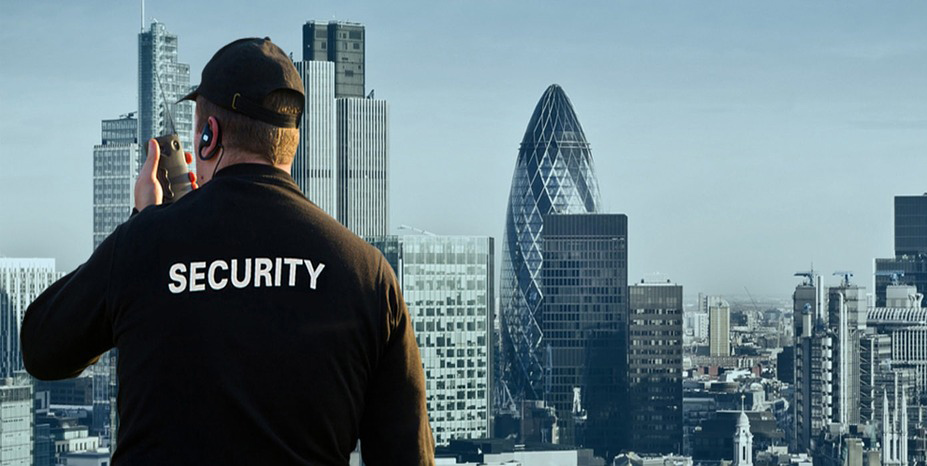
Choose manned guarding when a site holds high-value assets, receives constant footfall, or faces an active threat that demands someone on the ground at all times. Choose mobile patrols when the priority is out-of-hours deterrence, alarm response, or protecting several low-to-medium risk locations without paying for a permanent post. The decision comes down to three measurable factors: how quickly an incident must be interrupted, how many hours of genuine risk the site carries, and whether one location or several need protection.
This guidance draws on years of frontline deployment across warehouses, construction sites, retail parks, and vacant buildings in the UK, where both models have been tested against real break-ins, fire risks, and trespass. The sections below break down how each service operates, where each one fails, and the specific site conditions that should drive the choice. According to the Home Office 2023 Commercial Victimisation Survey, 26% of business premises in England and Wales experienced at least one crime in a 12-month period, so getting this decision right is not a formality.
How Each Model Protects a Site
Manned guarding places an SIA-licensed officer at a fixed post for an agreed shift pattern. The officer controls access, monitors CCTV, walks internal patrol routes, and physically intervenes the moment something goes wrong. Nothing on site happens without a trained witness present, which is why distribution centres, data facilities, and premises with public access lean on static officers.
Mobile patrols work differently. A marked vehicle visits the site several times per shift at randomised intervals, checks perimeters, doors, and windows, scans electronic checkpoints to prove attendance, and files a report after every visit. The same unit typically also handles alarm activations and lock/unlock duties. Because one crew covers multiple sites, each client pays for a share of the resource rather than a full-time post.
Both models depend on the same operational backbone. The table below sets out the practical elements that should appear in any professional service agreement, whichever model a site adopts.
| Operational Element | What It Involves in Practice |
| SIA licensing | Every deployed officer holds a valid Security Industry Authority licence for guarding duties, a legal requirement for contracted security work in the UK |
| Patrol verification | Electronic checkpoint scanning or GPS-logged visits confirm each patrol route was completed as scheduled |
| Incident reporting | Time-stamped digital reports with photographs, submitted after each shift or visit |
| Alarm response | A patrol unit or standby officer attends activations, inspects the premises, and liaises with keyholders or police |
| Welfare checks | Lone-worker and vacant-property inspections carried out to a documented schedule |
| Escalation protocol | Defined contact chain covering emergency services, site managers, and out-of-hours keyholders |
Direct Comparison Across the Factors That Matter
The strengths of each service are mirror images of each other. Static officers deliver certainty; patrol units deliver reach. The table below puts the two side by side against the criteria site managers actually use when deciding.
| Factor | Manned Guarding | Mobile Patrols |
| Presence on site | Continuous for the full shift | Intermittent, at set or random intervals |
| Deterrence style | Visible officer stationed at the premises | Marked vehicles and unpredictable visit times |
| Response to incidents | Immediate, first-hand intervention | Response on arrival at the next or called visit |
| Access and reception duties | Handles visitors, deliveries, and access control | Not suited to front-of-house tasks |
| Coverage of large or multiple sites | One officer per post; scaling adds staff | One unit can cover several sites per shift |
| Best-fit risk profile | High-value stock, constant footfall, live threats | Low-to-medium risk, out-of-hours protection |
| Budget positioning | Higher ongoing commitment | Shared-cost model across visited sites |
Bonus tip from the field: Randomise patrol visit times and vary the route order. Sites that accept fixed-time visits are routinely watched by offenders who simply wait for the vehicle to leave. Randomised schedules close that gap.
Matching the Model to Your Site Conditions
When a Static Officer Is the Right Call
Constant occupancy risk is the clearest trigger. Premises with valuable stock movements during the day, contractors coming and going, or a history of aggressive trespass need intervention within seconds, not within a drive-time window. Recorded robbery of business property in England and Wales rose 50% to 15,520 offences in the year ending March 2025, according to the Office for National Statistics, and that category of confrontational crime is exactly what an on-site officer exists to interrupt. Reception, badge checks, and delivery management also only work with a person physically stationed at the entrance.
When Mobile Patrols Deliver Better Value
Vacant properties, small industrial units, car parks, and sites that are only exposed overnight rarely justify a 12-hour static post. A patrol schedule of four to six randomised visits, combined with alarm response, covers the genuine risk hours at a fraction of the resource. Multi-site operators gain the most: one unit can inspect an entire portfolio each night and produce a verifiable log for insurers. Wet, dark winter conditions in the UK lengthen the window for forced entry at unlit sites, so increasing visit frequency between October and February is a proven adjustment rather than an upsell.
Bonus tip from the field: Ask any patrol provider for GPS-verified visit logs from an existing contract before signing. A company that cannot produce them is telling you the visits may not be happening.
What to Weigh Before Committing to Either Option
Run a short risk audit before requesting quotes. Map the hours when the site is genuinely unattended, list the assets an intruder could remove or damage, and pull the incident history for the past 24 months. Check what your insurer requires; some policies for vacant or high-value premises specify a minimum inspection frequency or an on-site presence, and the wrong choice can void a claim.
Verify the provider next. The Security Industry Authority reported 432,282 active licence holders in the UK in 2024 (GOV.UK), yet licences alone say nothing about supervision, vetting depth, or response infrastructure. Confirm the company screens staff to BS 7858, holds relevant insurance, and can show live proof-of-attendance systems. Finally, think in combinations: many sites run a static officer during trading hours and switch to patrols overnight, which often outperforms either model used alone.
Bonus tip from the field: Trial a hybrid arrangement for one month and review the incident and visit reports before locking into a long contract. Real report data exposes gaps that a sales proposal never will.
Security Services Keep Safe & Secure Ltd Provides for Both Approaches
Sites weighing up these two models can source either one, or a combined package, from a single provider:
- Security Guards — SIA-licensed static officers for access control, front-of-house duties, and continuous on-site protection.
- Mobile Security Patrols — randomised, GPS-verified vehicle patrols covering perimeters, buildings, and vulnerable points out of hours.
- Key Holding & Alarm Response Services — trained responders attend activations and secure the premises, removing that risk from staff.
- Locking & Unlocking Services — scheduled opening and closing of premises so employees never handle keys alone in the dark.
Questions Site Managers Ask Before Choosing
How many patrol visits per night does a typical site need
Most low-risk commercial sites run four to six visits across the exposed hours. High-risk periods, such as after a break-in attempt, justify hourly visits until the threat passes.
Can one static officer cover a large site alone
Only if patrol routes, rest breaks, and CCTV support are planned properly. Sites over roughly 40,000 square metres or with multiple entrances usually need a second officer or patrol support.
Is a hybrid of both services worth the extra coordination
Yes for premises with distinct day and night risk profiles. A daytime officer plus overnight patrols typically covers more genuine risk hours than either model stretched across 24 hours.
Longer-Term Questions Once a Service Is Running
How should patrol performance be reviewed over time
Audit visit logs monthly against the contracted schedule and compare incident trends quarter by quarter. Falling report quality is usually the first sign of a declining service.
What happens if an officer or patrol discovers a break-in in progress
Protocol is to observe, contain where safe, and call police immediately. Officers are trained to protect life first and property second; detaining offenders is a last resort under citizen’s arrest rules.
Do insurers reduce premiums when professional security is in place
Many underwriters recognise documented guarding or verified patrols in their risk pricing, particularly for vacant properties. Provide visit logs and incident reports at renewal to support the case.
How often should the security model itself be re-assessed
Review annually and after any material change: new stock values, altered opening hours, nearby crime spikes, or building works. A model chosen two years ago rarely matches today’s risk.
Can patrol frequency change seasonally without renegotiating the contract
Reputable agreements include flexible scheduling clauses. Darker months and holiday shutdowns are standard triggers for temporary frequency increases.
Key Takeaways
Manned guarding buys immediate intervention and constant presence; mobile patrols buy wide, verifiable coverage at a shared cost. High-value, high-footfall, or actively threatened sites need an officer on the ground. Low-to-medium risk sites exposed mainly out of hours are better served by randomised patrols, and many premises get the strongest result from combining the two. Audit your genuine risk hours, check insurer requirements, and match the model to the evidence rather than to habit.
Arrange a Site Assessment
A short, no-obligation site assessment identifies which model fits a specific premises and produces a written recommendation to compare against any existing arrangement. Keep Safe & Secure Ltd carries out these assessments across the UK; reach the team by email at info@keepsafesecure.com or by phone on +44 330 118 8340 to book a convenient time.