

A waking watch is a fire safety system where trained staff continually patrol a building to detect fire, raise the alarm, and manage the evacuation of residents. This measure replaces a “stay put” policy with a “simultaneous evacuation” strategy. It is typically a temporary solution used when a building has fire safety defects, such as flammable cladding or faulty fire doors, that make it unsafe for people to remain in their flats during a fire.
The legal requirement for a waking watch arises when a Fire Risk Assessment identifies that a building no longer meets safety standards. Under the Regulatory Reform (Fire Safety) Order 2005, the responsible person for a building must ensure the safety of all occupants. If a building is deemed high risk, the local fire and rescue service may issue an enforcement notice requiring 24/7 patrols to stay compliant with the law and avoid a total prohibition of the building’s use. This article provides a detailed look at the legal triggers, operational requirements, and practical considerations for implementing these patrols.
Legal framework for fire patrols
The primary legislation governing fire safety in England and Wales is the Regulatory Reform (Fire Safety) Order 2005. This law places the burden of safety on a “Responsible Person,” usually the building owner, freeholder, or property manager. When fire hazards are identified, this person must take immediate action to mitigate the risk. Guidance from the National Fire Chiefs Council (NFCC) explains that while waking watches are a valid temporary measure, they should only be used while long-term fixes are being arranged.
Following the 2021 Fire Safety Act, the law now explicitly includes the external walls and individual flat entrance doors in fire risk assessments. If these areas are found to be deficient, the legal pressure to install a watch increases. Failure to act on these findings can lead to hefty fines or prosecution by the fire service.
When a waking watch becomes necessary
You must implement a watch when the “stay put” policy is no longer viable. In most modern blocks of flats, the building is designed to contain a fire within a single compartment for a set period. If defects exist, a fire could spread between floors or across the exterior of the building. In these cases, everyone needs to leave the building as soon as a fire is detected.
Common reasons for this shift include:
- Combustible cladding systems on the exterior walls.
- Missing or damaged fire breaks and cavity barriers.
- Non-compliant fire doors that cannot stop smoke or flame.
- Failures in the internal “compartmentation” of the building.
- Malfunctioning communal fire alarm systems.
Data provided by the Department for Levelling Up, Housing and Communities suggests that hundreds of buildings across the UK have required these measures. The cost is significant, with median monthly costs for a single building often exceeding £11,000.
Differences between fire safety strategies
It is helpful to understand how a waking watch differs from standard fire safety measures. The following table outlines the key differences between the traditional stay-put strategy and the temporary evacuation measures.
| Feature | Stay Put Policy | Waking Watch | Common Alarm System |
| Detection | Localized smoke alarms in flats | Human patrols 24/7 | Heat/smoke detectors in all areas |
| Response | Stay in flat unless affected | Wardens alert all residents | Alarm sounds throughout building |
| Staffing | None required | Minimum two trained wardens | Remote monitoring only |
| Legal Status | Standard for safe buildings | Temporary emergency measure | Permanent safety upgrade |
| Cost | Low maintenance | High monthly staff costs | High upfront install cost |
Roles and responsibilities of fire wardens
Wardens are not just security guards. They must have specific fire safety training to perform their duties. Their main job is to patrol every floor and every stairwell at regular intervals. They look for signs of smoke, fire, or potential hazards like blocked fire exits.
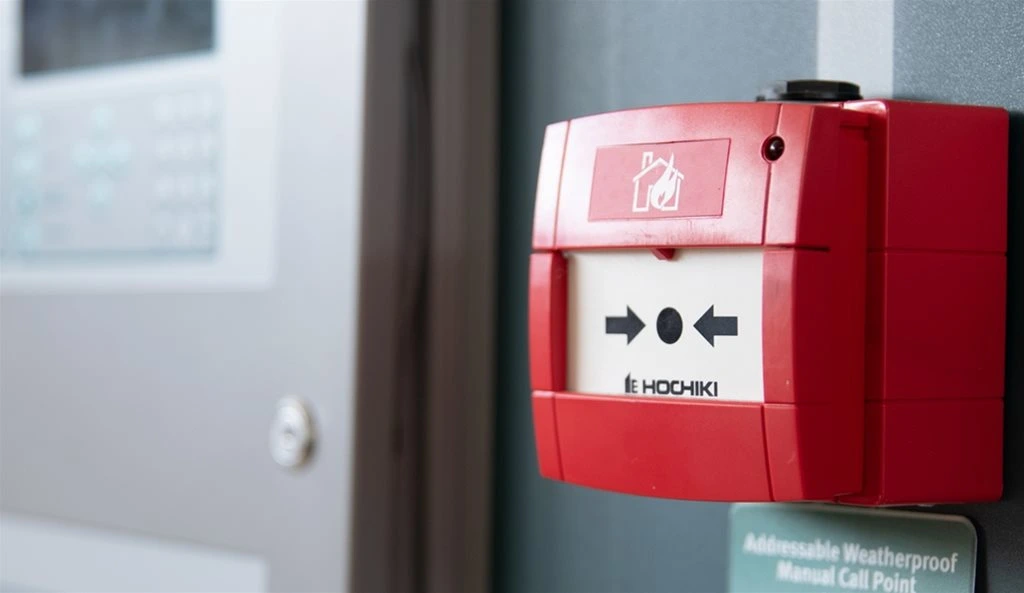
If a fire starts, their priority is to trigger the manual fire alarm and then go floor to floor to alert residents. They must be familiar with the building layout and the number of vulnerable residents who might need extra help. Bonus tip: Always ensure your wardens have a clear, updated list of residents with mobility issues to prioritize during an emergency.
Things to consider before making a decision
Before you hire a team for a watch, you should evaluate the specific needs of your property. Not every building requires the same level of staffing. A Fire Risk Assessor will tell you exactly how many wardens are needed based on the height of the building and the number of exits.
Check the training credentials of the staff. They should understand fire dynamics and evacuation procedures. Another factor is the duration of the service. Because a watch is expensive, you should compare the cost of a long-term watch against the cost of installing a communal fire alarm system. A report from the Home Office indicates that while alarms have a higher initial price, they usually pay for themselves within a few months by removing the need for 24/7 staffing.
Managing the costs of patrols
The financial burden of these patrols often falls on leaseholders through service charges. This has led to the creation of government funds to help manage these expenses. The Waking Watch Relief Fund was designed to pay for the installation of fire alarm systems to replace costly human patrols.
Bonus tip: If you are managing a building with a watch, check your eligibility for government grants immediately. Transitioning to an integrated alarm system can save residents thousands of pounds in a very short period.
Common Questions
Many people wonder how long these patrols must stay in place. There is no set legal time limit, but fire services expect to see a plan for remediation. If you are not making progress on fixing the building’s defects, the fire service may step in with stricter enforcement.
Another frequent query is whether wardens can do other jobs, like cleaning or general security. The answer is generally no. A fire warden must be dedicated solely to fire watch duties to ensure they are never distracted from their patrol route.
Operational requirements for effective watches
To stay compliant, the patrols must be documented. A logbook should record every patrol, including the time and the floors checked. Keep Safe & Secure Ltd. recommends that these logs be audited weekly to ensure no gaps in the service exist.
Communication is also vital. Wardens need high-quality radios that work in all areas of the building, including “dead zones” like basements or concrete stairwells.
Bonus tip: Conduct a radio signal test across the entire property before the first shift starts. If communication fails during a fire, the entire safety strategy collapses.
Frequently asked questions about waking watches
How many wardens are legally required for a block of flats?
The number depends on the evacuation time of the building. A Fire Risk Assessor determines this based on how long it takes a warden to reach the furthest flat and alert the occupants. For most medium-sized blocks, at least two wardens are required so that one can call the emergency services while the other starts the evacuation.
Can a waking watch be replaced by a CCTV system?
No. CCTV is not a substitute for a physical watch because cameras cannot smell smoke or hear a local alarm inside a flat. The fire service requires a physical presence to ensure that residents are actively alerted and assisted during an evacuation.
Who is responsible for paying for the wardens?
Under most leases, the cost is passed to the leaseholders as part of the service charge. However, legal challenges and new legislation like the Building Safety Act 2022 are changing how these costs are distributed, especially for “relevant defects” in buildings over 11 meters.
What training should fire wardens have?
Wardens should complete a certified Fire Warden or Fire Marshal course. This training covers fire behavior, the use of extinguishers, and evacuation management. They must also have a site-specific induction to learn the building’s unique risks and exit routes.
Is a waking watch a permanent solution?
It is strictly a temporary measure. The NFCC guidance states that it should be replaced as soon as possible by either a common fire alarm system or by fixing the underlying building defects.
Moving toward a safer building
A waking watch provides a necessary safety net when a building’s fire defenses fail. While it is an expensive and intensive solution, it ensures that residents can stay in their homes while repairs are planned. The legal requirements are clear: the safety of the occupants is the priority.
You should regularly review your fire risk assessment and stay in contact with local fire authorities. Evaluate the long-term viability of patrols versus permanent alarm systems to find the most cost-effective way to maintain safety. Each building is different, so professional advice is essential to stay compliant with the law.
Professional fire safety support
If you are dealing with fire safety concerns or have been told a patrol is necessary, Keep Safe & Secure Ltd. can help you understand the requirements. Expert guidance ensures that your building remains compliant with the Regulatory Reform (Fire Safety) Order 2005 without unnecessary expenses. For more information on setting up a professional patrol or transitioning to alarm-based systems, contact the team at info@keepsafesecure.com or call +44 330 118 8340.
Sources
- National Fire Chiefs Council (NFCC) – Provides the official industry guidance on simultaneous evacuation and the use of fire wardens.
- Department for Levelling Up, Housing and Communities – Government data on the costs and prevalence of waking watches across the UK.
- Home Office – Official report detailing the financial impact of fire safety patrols on residents.
- Legislation.gov.uk – The full text of the Regulatory Reform (Fire Safety) Order 2005 which sets the legal standards for UK fire safety.