

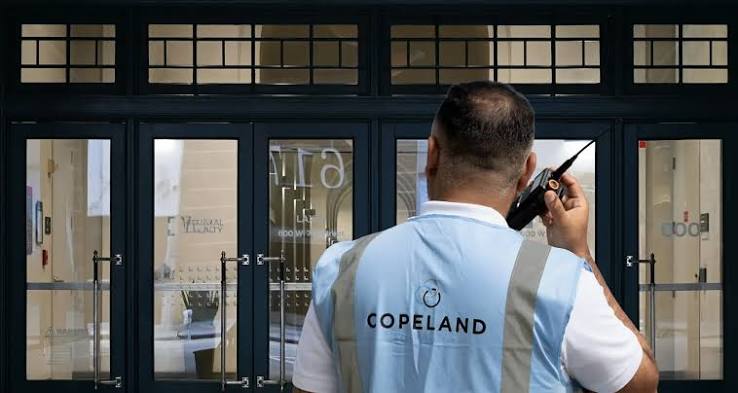
Businesses outsource locking and unlocking because the task carries more liability and inconsistency than it appears to on the surface. A missed opening, a lost key, or an unlogged access event can halt trading, void insurance conditions, or leave a site exposed to unauthorised entry overnight. Handing this responsibility to a trained, insured third party creates a single point of accountability, a verifiable attendance record, and a trained person on call, so managers stop patching gaps in a duty rota with whichever staff member happens to be available that week.
This article breaks down where the hidden costs of in-house key handling actually sit, what a locking and unlocking visit should include, the seasonal and regional factors that shape UK opening schedules, and the questions worth asking before switching providers. Keep Safe & Secure Ltd has coordinated opening and closing routines across retail units, warehouses, and event venues for years, and the patterns below come from that day-to-day operational exposure rather than a generic security overview.
Where In-House Key Handling Actually Breaks Down
When a single employee or manager holds the only set of keys, the business inherits a single point of failure. Sickness, holiday, traffic delays, or a simple overslept alarm turns into a delayed opening, a queue outside the door, or, in some cases, a premises left unlocked overnight. Multiply that risk across several sites and the exposure compounds quickly; a spreadsheet tracking who holds which key on which night stops being reliable once more than two or three locations are involved.
The financial argument matters as much as the operational one. Commercial Victimisation Survey data indicates that an estimated 8% of business premises in England and Wales experienced a burglary, including attempted break-ins, in 2023, with exposure running notably higher across the wholesale and retail sector. Many of these incidents happen during the early hours while premises stand empty, precisely the window an unattended locking routine leaves open. Insurance policies frequently attach conditions to alarm activation and key control, and a missed or late lock-up can breach those terms before anything is even stolen.
Bonus Tip: Most missed openings are not caused by dishonesty; they are caused by a rota that assumes nothing will ever go wrong. Building locking and unlocking into the rota as a fixed line, not a fallback, removes that assumption entirely.
What a Locking and Unlocking Visit Should Actually Include
A locking and unlocking visit is more than turning a key. It should confirm the site is genuinely secure, not just closed, and leave a record that management can check without having to call anyone.
| Factor | Handled In-House | Handled By a Locking and Unlocking Service |
| Accountability | Rests informally with whichever staff member holds keys that day | Logged against a named, vetted officer for every visit |
| Backup coverage | Limited to whichever colleague happens to be available | Built into a rota that is unaffected by sickness or leave |
| Record keeping | Rarely logged beyond a verbal confirmation | Time-stamped visit reports and alarm activation logs |
| Response to alarm activation | Depends on who is reachable and nearby | Structured key holding and alarm response procedure |
| Insurance alignment | May not satisfy policy conditions on key control | Structured to meet common insurer requirements |
| Check Performed | Purpose |
| Perimeter doors and windows | Confirm secure closure and check for signs of forced entry |
| Alarm system | Arm or disarm correctly and confirm activation |
| Internal lighting and equipment | Confirm powered down or set where required |
| Fire exits and escape routes | Confirm clear and secured in line with fire regulations |
| Visit log and report | Time-stamped confirmation sent to management after each visit |
Seasonal and Regional Factors That Shape UK Locking Schedules
Daylight hours in the UK swing dramatically between June and December, and that shift changes what a locking and unlocking visit needs to account for. A site that locks up at 6pm in July does so in daylight; the same closing time in January happens in full darkness, when a forced-entry attempt is harder for passers-by to notice and harder for CCTV with limited low-light coverage to capture clearly. Sites in more rural or semi-rural areas, where police response times tend to run longer, benefit from a locking routine that includes a visible presence rather than a quick drop-in, since that visibility itself acts as a deterrent.
Bonus Tip: On a high street with mixed footfall into the evening, aligning the unlock time with actual footfall, rather than a fixed clock time, reduces the window a door sits open and unattended before trade properly begins.
Locking and Unlocking Support Built Into Wider Security Cover
Locking and unlocking rarely sits in isolation from a business’s broader security needs. Keep Safe & Secure Ltd structures the following services so that opening and closing routines connect directly into alarm response and site monitoring, rather than operating as a separate task handled by whoever happens to be free.
- Locking & Unlocking Services — Scheduled opening and closing visits carried out by a vetted officer, with a time-stamped report logged after every attendance.
- Key Holding & Alarm Response Services — Secure off-site key storage paired with a structured response when an alarm activates outside trading hours.
- Mobile Security Patrols — Periodic checks across a site or portfolio of sites, useful where a single fixed visit does not cover the full risk window.
- CCTV Installation & Surveillance — Camera coverage that supports a locking and unlocking routine with visual verification, particularly useful during low-light winter months.
Things to Consider Before Choosing a Provider
- Licensing and vetting — Confirm officers hold valid SIA licensing and have been through a formal vetting and DBS check process.
- Insurance backing — Check the provider carries adequate liability insurance and that the arrangement satisfies any conditions set by the business’s own policy.
- Reporting process — Ask how visit confirmations are delivered, and whether reports are time-stamped and retrievable if a dispute arises.
- Response time commitments — Clarify how quickly an officer responds to an alarm activation, and whether that varies by time of day or location.
- Integration with existing systems — Confirm the provider can work with the alarm and access control systems already installed on site.
Common Questions
Is locking and unlocking cover only useful for retail premises?
No. Warehouses, offices, construction sites, and event venues all carry the same exposure during unattended hours, and many use scheduled locking and unlocking alongside other cover.
Does a locking and unlocking service replace an alarm system?
No. It works alongside an existing alarm system, arming and disarming it correctly and responding when it activates, rather than substituting for it.
Can visit times change from day to day?
Yes. Visit times are typically set around actual trading hours, delivery schedules, and seasonal daylight changes rather than a single fixed time throughout the year.
Locking and Unlocking Best Practices Explained
How is a missed lock-up or unlock avoided during holiday periods?
A scheduled service is built around a rota with built-in cover, so a single officer’s leave or sickness does not leave a gap. The rota is managed independently of the business’s own staffing levels.
What happens if an alarm triggers outside business hours?
A key holder is contacted directly by the monitoring station, attends the site, checks the cause of the activation, and secures the premises before filing a report, without needing to wake or involve business staff first.
How are locking and unlocking staff vetted?
Officers typically hold an SIA licence and go through a screening process that includes identity checks, employment history verification, and a criminal record check before being assigned to a site.
Can locking and unlocking cover be combined with other security services?
Yes. It is commonly paired with key holding, alarm response, mobile patrols, or CCTV monitoring so that a single provider manages the full opening-to-closing security picture.
How often are visit reports reviewed with management?
Reports are generated after every visit and are typically available for review at any point, rather than only being raised when something goes wrong.
Key Takeaways
Locking and unlocking is a small daily task with a large amount of liability attached to it. Treating it as a scheduled, logged, and accountable routine, rather than an informal duty passed between staff, closes the gap where most missed openings, late closings, and out-of-hours incidents originate. Businesses evaluating their current arrangement should weigh vetting standards, reporting quality, and how well a provider integrates with existing alarm and CCTV systems against their own site’s specific risk profile.
Get in Touch
Reviewing an existing opening and closing routine, or setting one up for the first time, is worth doing before a missed lock-up forces the issue. Keep Safe & Secure Ltd can be reached at info@keepsafesecure.com or by phone on +44 330 118 8340 to discuss how a structured locking and unlocking routine fits alongside key holding, alarm response, and wider site security.